Apr. 28, 2026
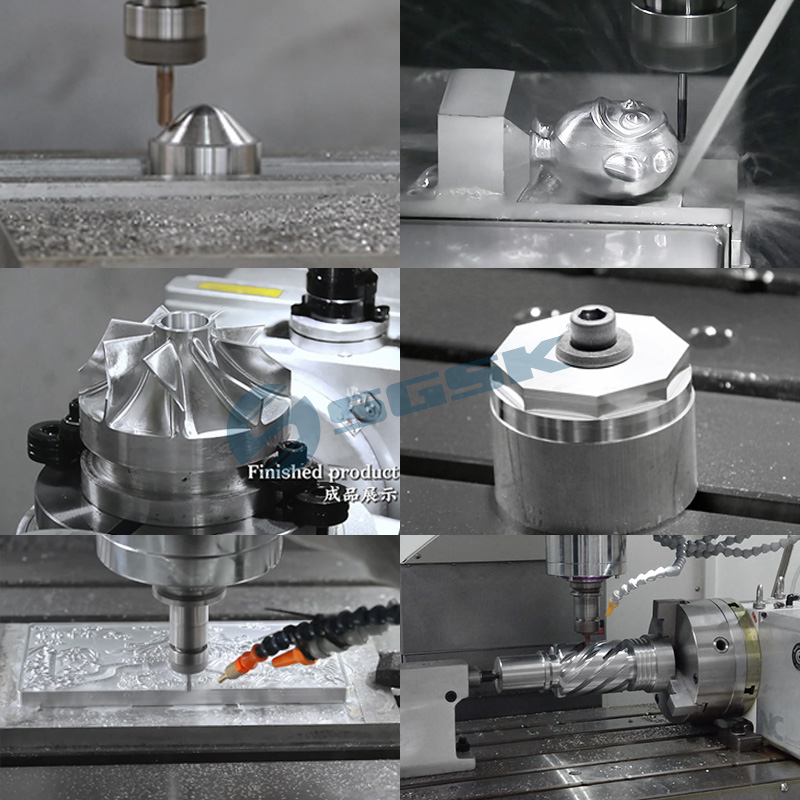
The operation and maintenance of CNC machine tools can be summarized by three principles: "strict prevention before operation, precise operation during operation, and diligent maintenance after operation." Next, I will outline the key points from the aspects of operating procedures, daily and periodic maintenance, and prevention of common faults:
⚙️ Operating Procedures: Safety and Precision Go Hand in Hand
Correct operation is the prerequisite for ensuring both safety and precision.
Before Operation: Certified personnel must conduct a comprehensive inspection.
Personnel Requirements: Operation must be performed by personnel who have passed professional training and assessment and should be familiar with the machine tool's structure, performance, and control system.
Safety Attire: Work clothes, safety helmets, and safety glasses must be worn. Gloves and scarves are strictly prohibited to prevent them from being caught in the machine. Long hair must be tied up, and cuffs must be tightly secured during operation.
Equipment Inspection: After powering on, check that all switches, buttons, and safety devices are functioning properly; confirm that voltage, air pressure, and oil pressure are normal, and manually add lubricating oil to all lubrication points.
Environmental Confirmation: Ensure the machine tool's operating environment temperature is between 15-35℃ (approximately 20℃ for precision machining) and humidity is between 40%-60%. Confirm the surrounding area is free of obstructions and that the machine tool's safety doors are closed.
During Operation: Concentrate and strictly adhere to procedures.
Machine Tool Warm-up: After powering on, allow the machine tool to run idle for 10-15 minutes to fully warm up, ensuring the lubrication and hydraulic systems are functioning correctly.
Program Confirmation: Before formal machining, perform a no-load run or simulation to check the tool movement trajectory and verify the workpiece coordinates and tool compensation values are correct.
Safety Monitoring: Maintain full concentration during machining. Never place any part of your body into the machining area.
Standard Operation: Overloading or exceeding performance limits is strictly prohibited. Do not perform any adjustments, measurements, or cleaning while the machine tool is running.
Emergency Handling: In case of any abnormal situation, immediately press the emergency stop button. Machining can only resume after the problem has been resolved.
Post-operation: Shut down the machine in an orderly manner and clean and return it to its designated locations.
Standardized shutdown: After machining is complete, first move each axis to the center position, then shut off the system power and air supply in the correct sequence. Do not use the emergency stop button to shut down the machine except in emergencies. The power must also be turned off when leaving the machine tool.
Cleaning and returning to designated locations: After disconnecting the power, thoroughly remove chips and wipe the machine tool clean. Apply rust-preventive oil to sliding surfaces such as guideways. Simultaneously, apply rust-preventive oil to the removed cutting tools and return them to their designated storage locations according to their numbers.
Previous: None
Navigation
Tel.: +86 632 5083 879
Mob.: +86 151 6326 5369
Wechat: +86 151 6326 5369
E-mail: info@gskequipment.com
WhatsApp: +86 151 6326 5369